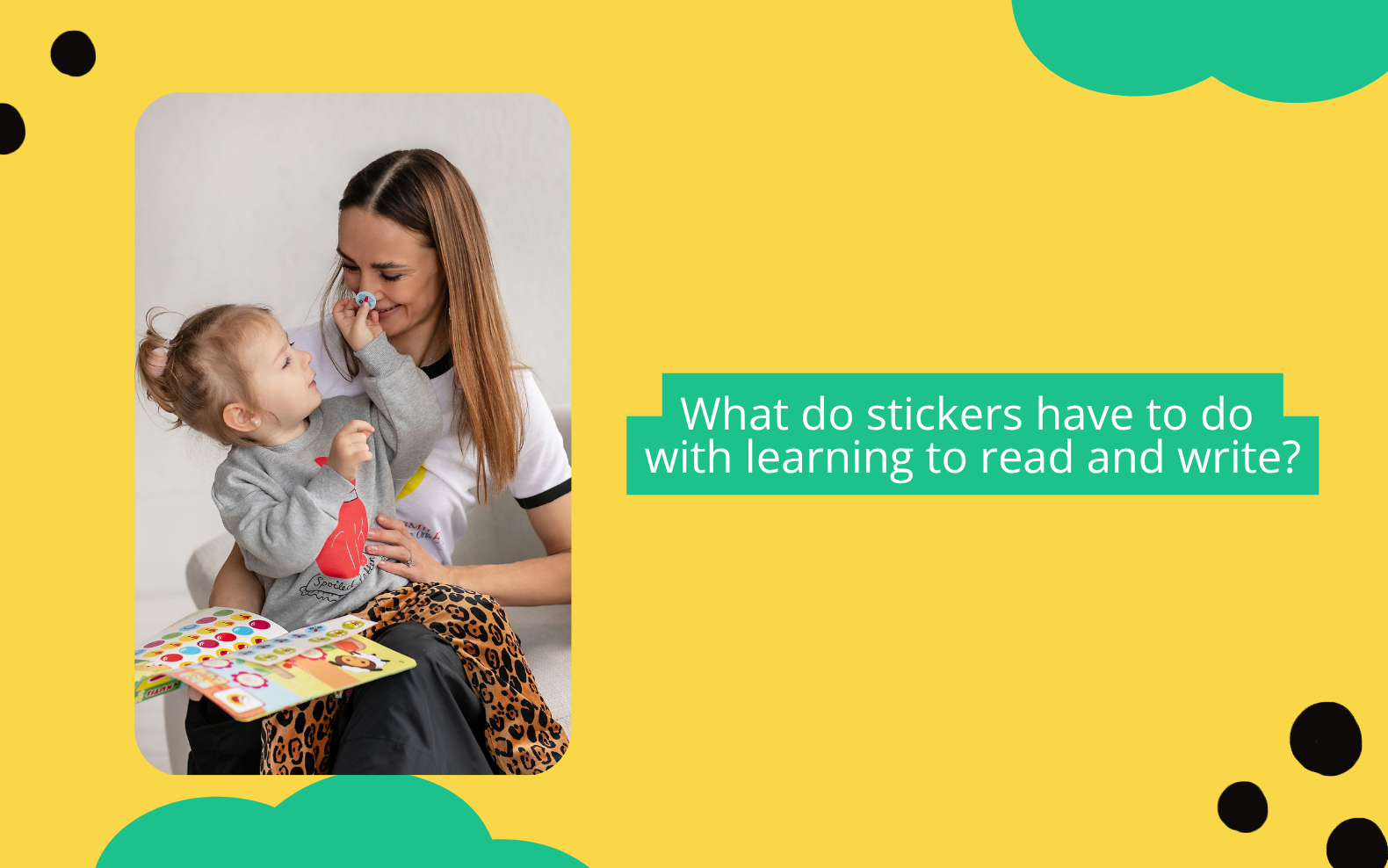
What do stickers have to do with learning to read and write?
More than you might think.
When we prepare children for school, we usually focus on letters and numbers. But research shows something surprising: fine motor skills – small hand and finger movements – are one of the strongest predictors of later success in reading and maths.
In simple terms, how a child holds a crayon, turns a page, or places a small object today can influence how easily they write and learn tomorrow.
And this is where something as simple as stickers comes in.
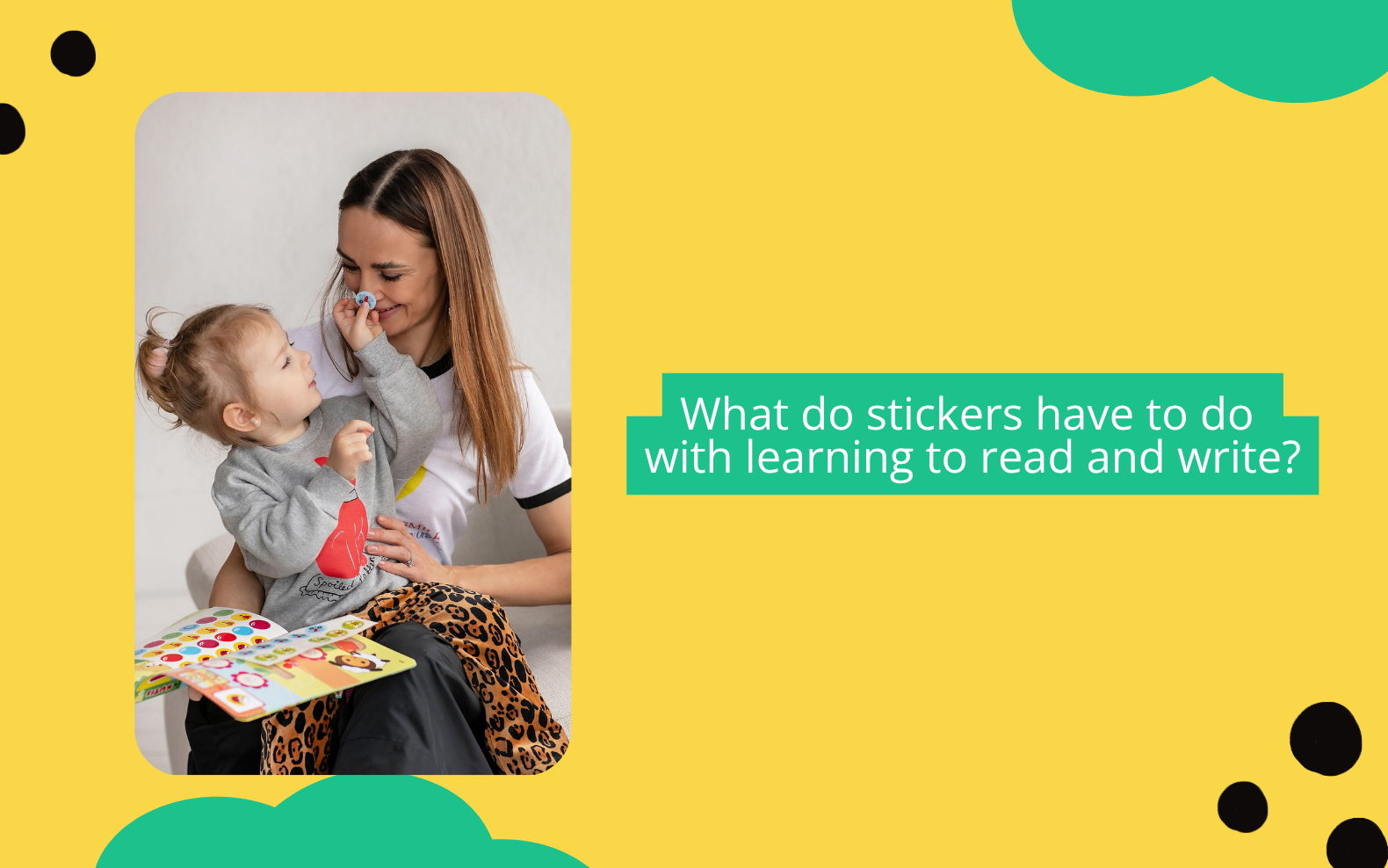
Peeling and placing a sticker may look like play, but it trains exactly the skills children need later:
- finger control (like holding a pencil)
- hand–eye coordination
- focus and precision
Even more importantly, it’s goal-oriented and fun, which keeps children engaged while they repeat the same movements that build real skills.
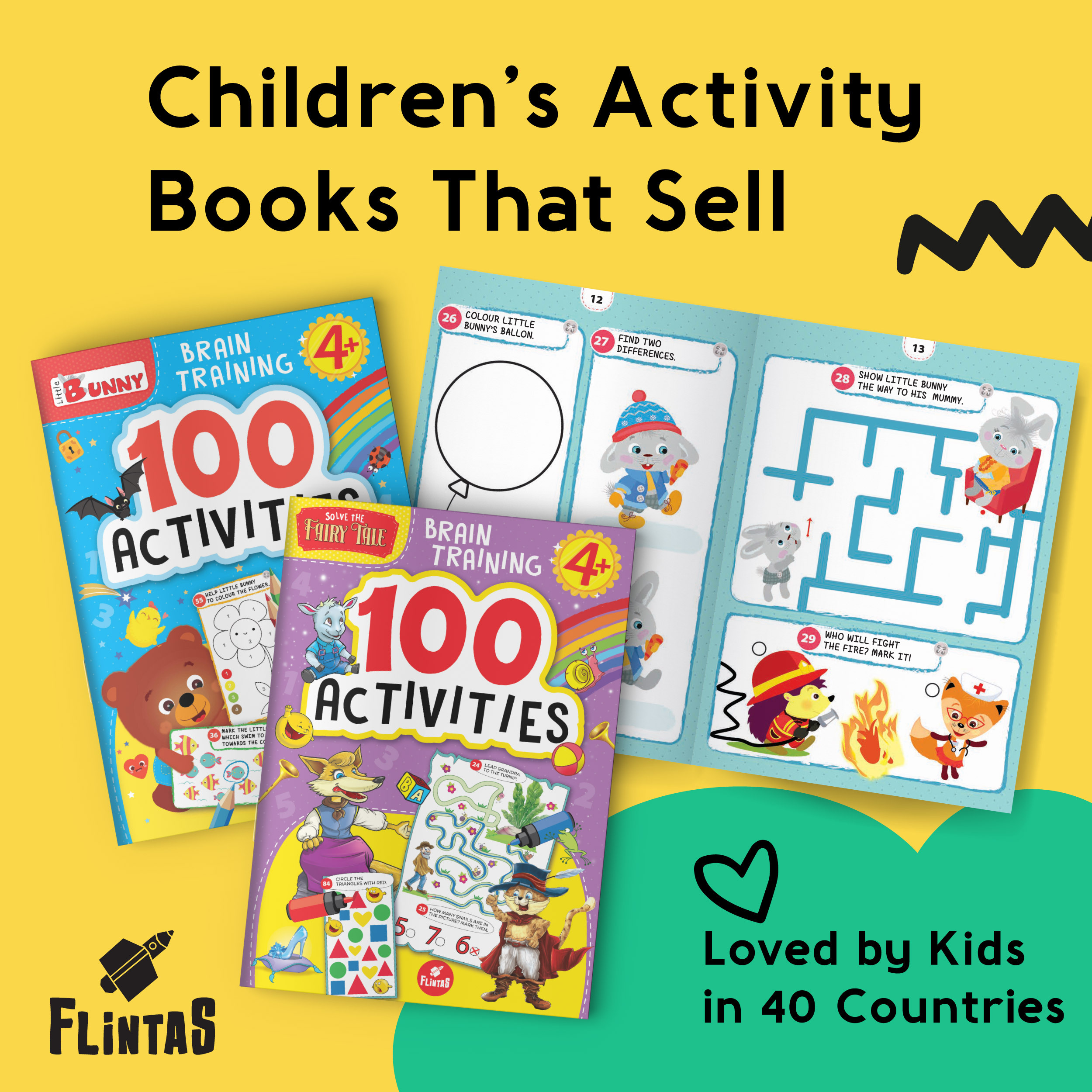
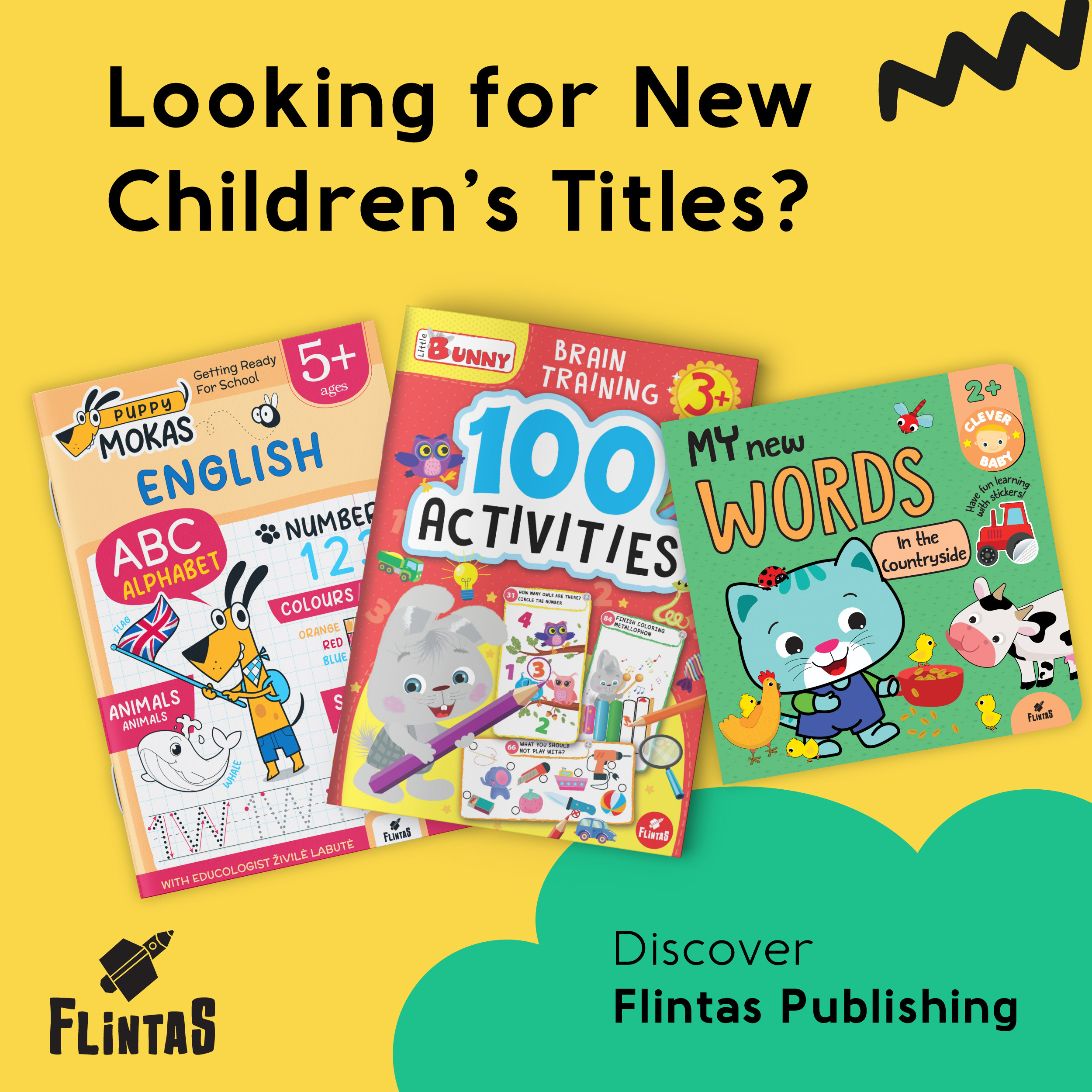
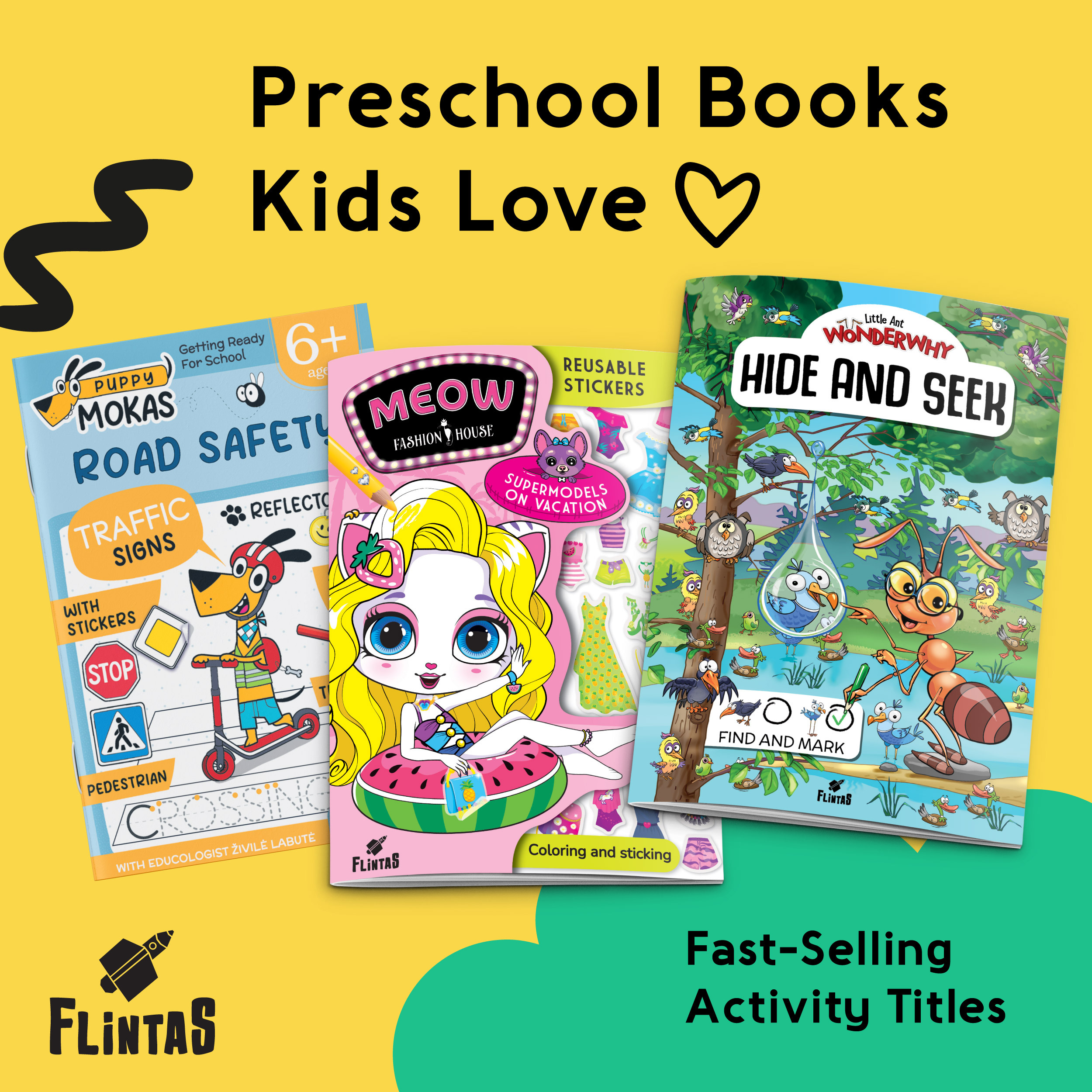
That’s why sticker books and magazines are more than just entertainment. They are small, everyday tools that help build the foundations for learning.
At Flintas Publishing, we design our sticker-rich books with exactly this in mind – turning research-based principles into playful, hands-on experiences for children.
Curious how this works in practice? Feel free to reach out – we’ll be happy to share more.
—
✍️ Pasaka Dilytė, Intern at Flintas Publishing
Based on research by Li et al. (2025), Adolph & Franchak (2017), Rozenboom (2020), Sutapa et al. (2021), Cinantya et al. (2024), and Nik Evina binti Nik Roseli et al. (2023).